Promote Trinkets?
Author: tonytech
-
The art of seeing
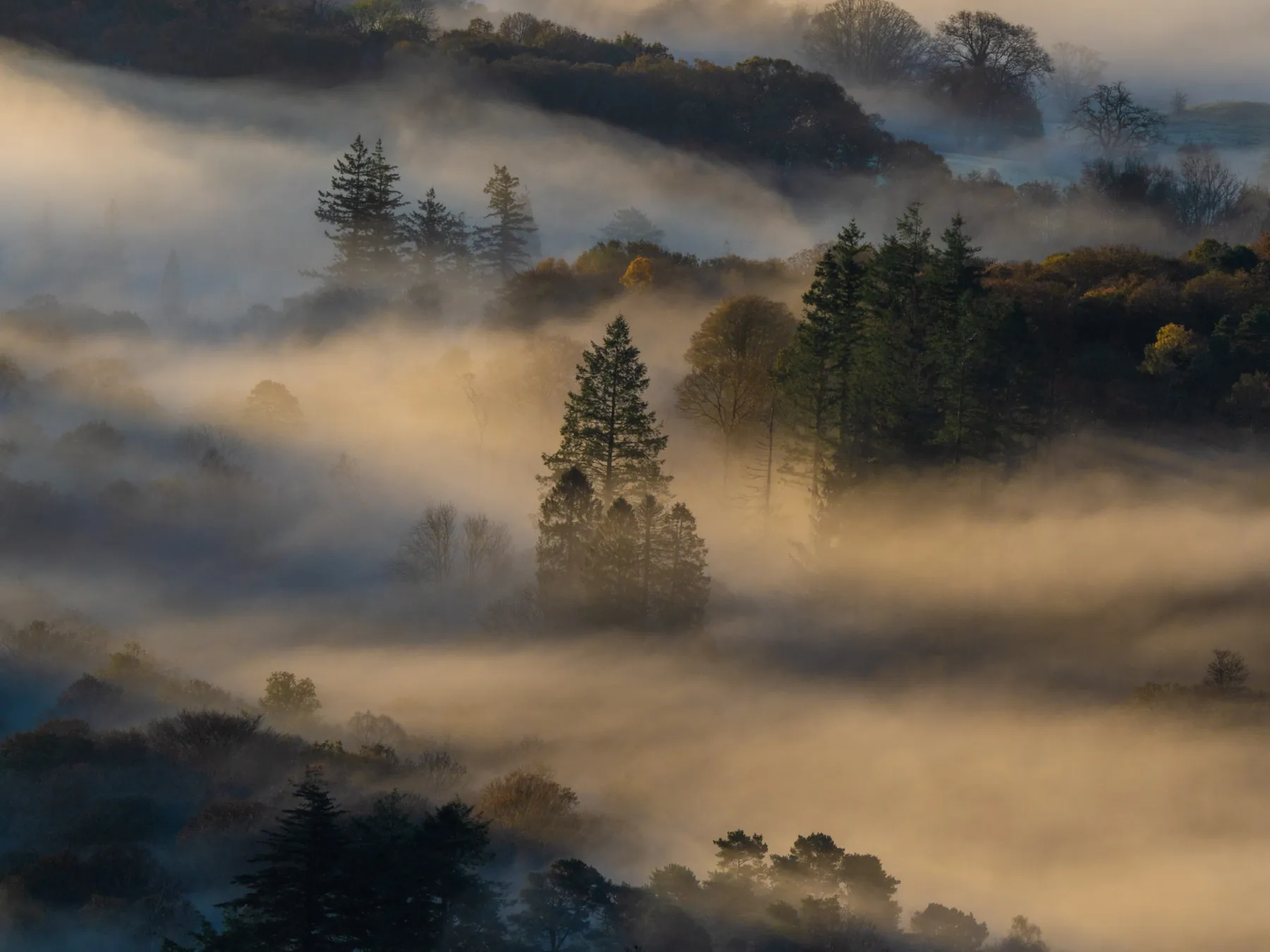
I believe good ideas often start with a simple observation. For me, learning to truly see the world around us is less a skill and more a way of being. It’s about finding the extraordinary in the ordinary, or clarity in a complex scene, much like when the sun burns through morning fog to reveal the landscape. I find these moments of clear vision are where compelling concepts begin to form.
Sometimes, I find it essential to seek out a new viewpoint. Stepping into a different environment, like an empty beach at sunrise, can shift my perspective and spark fresh thinking. The new light and open space offer a sense of possibility, a feeling that something new can take shape. In these quiet encounters, away from usual distractions, the first hints of an idea often appear to me, vivid and ready to be explored. These initial sparks are the foundation for strong concepts.
Once an idea sparks, it needs a place to grow. This is where my observation turns into focused intention. A quiet corner, a simple table, and a moment to reflect are the spaces where I shape and refine initial thoughts. Here, the details come together, and the story begins to build in my mind, piece by piece, until the full picture emerges with purpose and clarity.
Ultimately, the art of seeing is about connection. It’s about understanding the essence of a message and finding the most resonant way to share it. Every project is a new opportunity for me to look deeper, to observe with fresh eyes, and to translate that vision into something meaningful and effective. This constant act of seeing, and seeing again, is what shapes the distinct and memorable work I aim to bring into the world.
-

The art directors roundtable
I often find that stepping away from my own projects is when the best insights arrive. A recent art directors roundtable at Studio Chroma really brought this home. It was more than just a meeting; it was a chance to connect with other creative leads, to talk openly about the work we do, and to see things from a different angle. I left feeling genuinely refreshed and with a clearer sense of direction.
The conversation around the table that day was lively and honest. We did not just present finished ideas. We talked through current challenges, shared early concepts, and even discussed things that were not working. Someone might bring up a tricky client brief, and another would jump in with a story about a similar project they handled. It was this back and forth, this willingness to be open, that made the discussion so valuable. You could almost feel the ideas in the room shifting and taking on new forms.
Studio Chroma entrance. What I took away from that specific session was more than just a few good tips. One discussion about a new visual trend really clicked for me. It helped me rethink an approach I was stuck on for one of my own projects. Another art director shared a simple technique for team brainstorming that I started using right away. It is these concrete, practical insights, born from shared experience, that you cannot get from an article or a tutorial.
That roundtable at Studio Chroma reminded me why these gatherings are so important. It was not just about solving problems or learning new things. It was the energy of people passionate about their craft, all sharing and learning together. You leave with more than just notes; you leave with a renewed sense of purpose and a stronger connection to the wider creative community. That is the kind of experience that truly helps you grow.
-
Burning Man
Stepping onto the playa for the first time was unlike anything I had ever imagined. My work involves thinking about creating experiences, but Burning Man is something else entirely. It is a vast, temporary city dedicated to art and expression, appearing out of the dust. The scale of it, the sheer creativity everywhere you look, and the energy of the people there immediately made me realize this would be a unique journey.
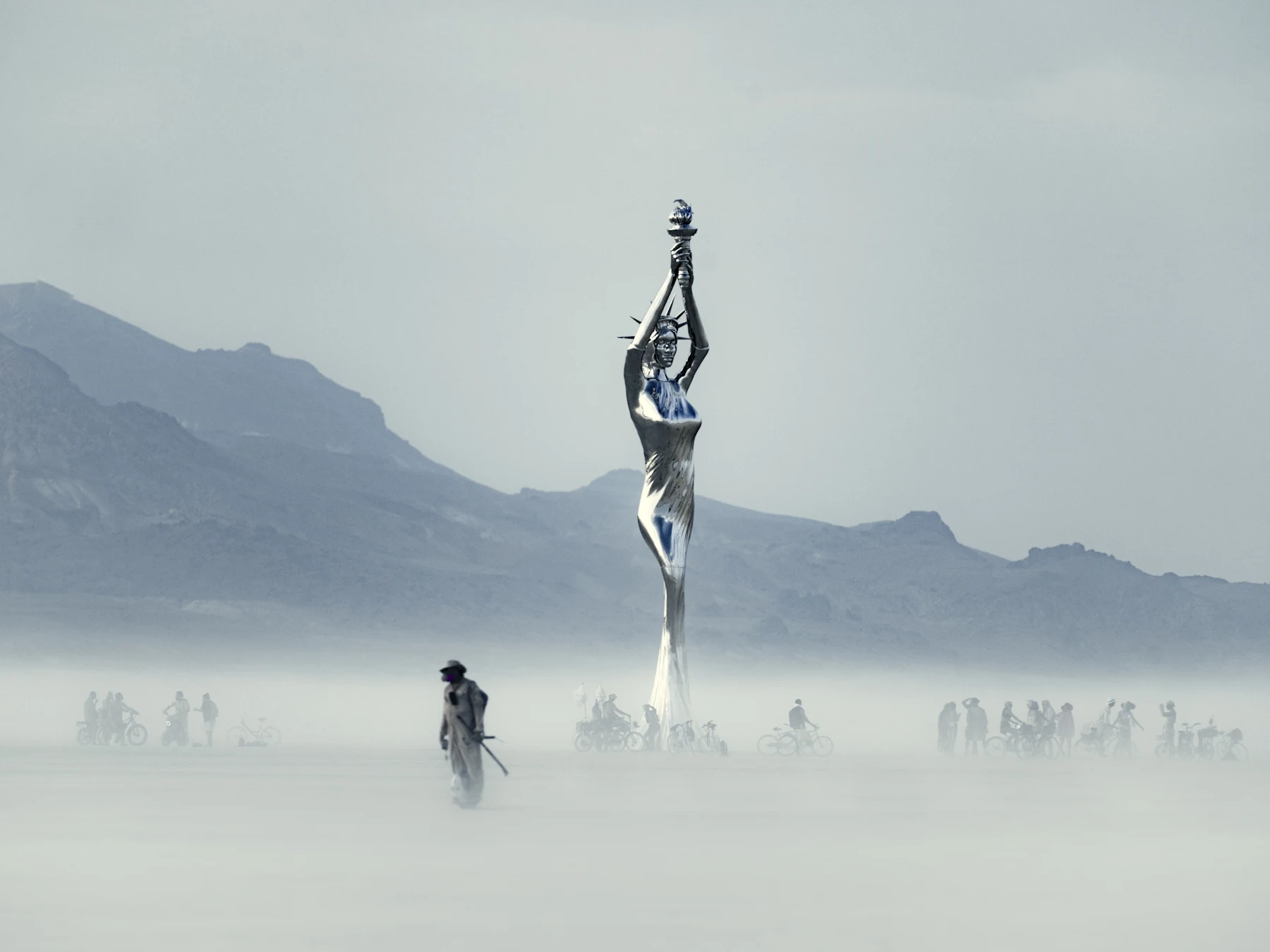
Days were spent exploring, and I quickly learned to expect the unexpected. Around every corner, or emerging from a dust cloud, there would be another incredible installation. Some were monumental, like Michael Benisty’s towering 58-foot “Liberty” statue, a mirror-polished figure that seemed to guard the horizon. Others were intricate and subtle. I saw the Temple of Together, an amazing wooden structure, and was struck by its detailed design and the quiet, reflective atmosphere it held, even in such a vibrant place. It was clear that every piece of art, big or small, had a story and a deep level of commitment behind it.
The intricate beauty of the Temple of Together. What really stood out to me, beyond the individual artworks, was the spirit of the place. There is a powerful sense of communal effort and radical self-expression. My work often involves guiding teams to bring a vision to life, but Burning Man showed me a different model of creativity. It felt less directed and more organic, a collective outpouring of imagination. It made me think about how much people are willing to give and create purely for the experience itself.
Leaving Burning Man, I carried more than just memories of incredible art. It was a reminder of the power of bold ideas and the importance of making space for creative freedom. It also sparked some new thoughts about how communities can form around shared experiences and artistic expression. It is an experience that will definitely stay with me and influence how I approach creativity in my own work.
-
Timeless lines
There’s something about classic cars that always pulls me in. It’s more than just nostalgia, it’s an appreciation for design that truly lasts. When I’m out with my camera, not for a client but just for myself, I often find myself drawn to these older vehicles. I think it’s the way their lines tell a story of craftsmanship, of a particular era, and also of design principles that still feel relevant today.
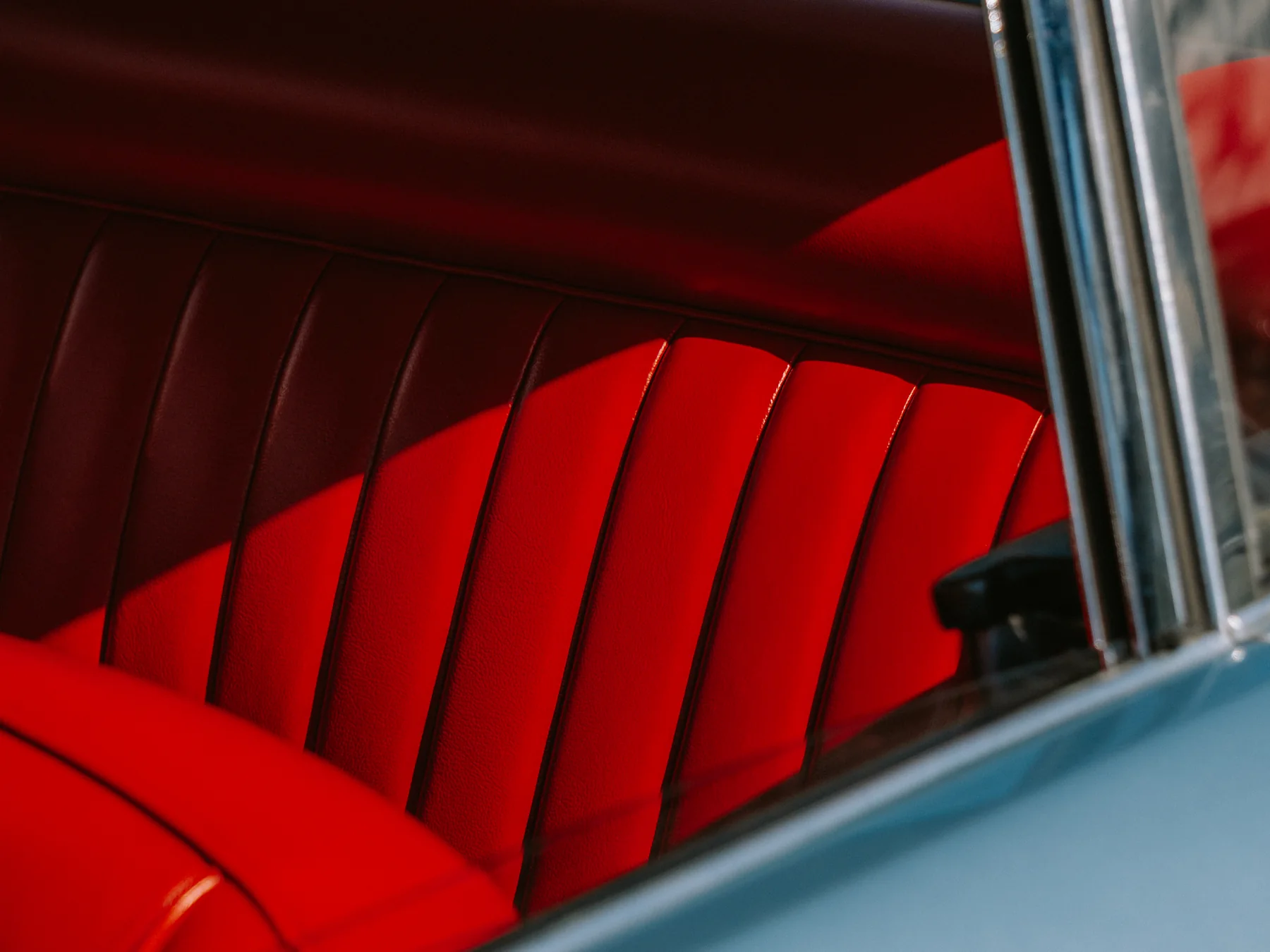
Photographing these cars is a personal passion. It allows me to explore form and detail in a different way than my usual work. I look for the curve of a fender, the reflection in the chrome, or the way light falls across a vintage interior, like the rich red leather in some of these classics. These are the details that speak volumes, the “timeless lines” that designers back then so carefully considered.
What I learn from looking at these cars, and from the process of photographing them, often seeps into my professional thinking. It’s a reminder that good design isn’t just about what’s new or trendy. It’s about strong concepts, clear execution, and an understanding of form that can appeal to people across decades. The way a classic car sits on the road, its proportions, and its character are all lessons in creating lasting visual impact.
For me, these personal photo sessions are a way to reconnect with the fundamentals of design. It’s a quiet pursuit, a chance to simply observe and appreciate the artistry in these machines. And sometimes, the most profound insights into what makes design truly timeless come not from a brief, but from looking closely at the enduring beauty of the past.
-
Shooting my friend’s collection
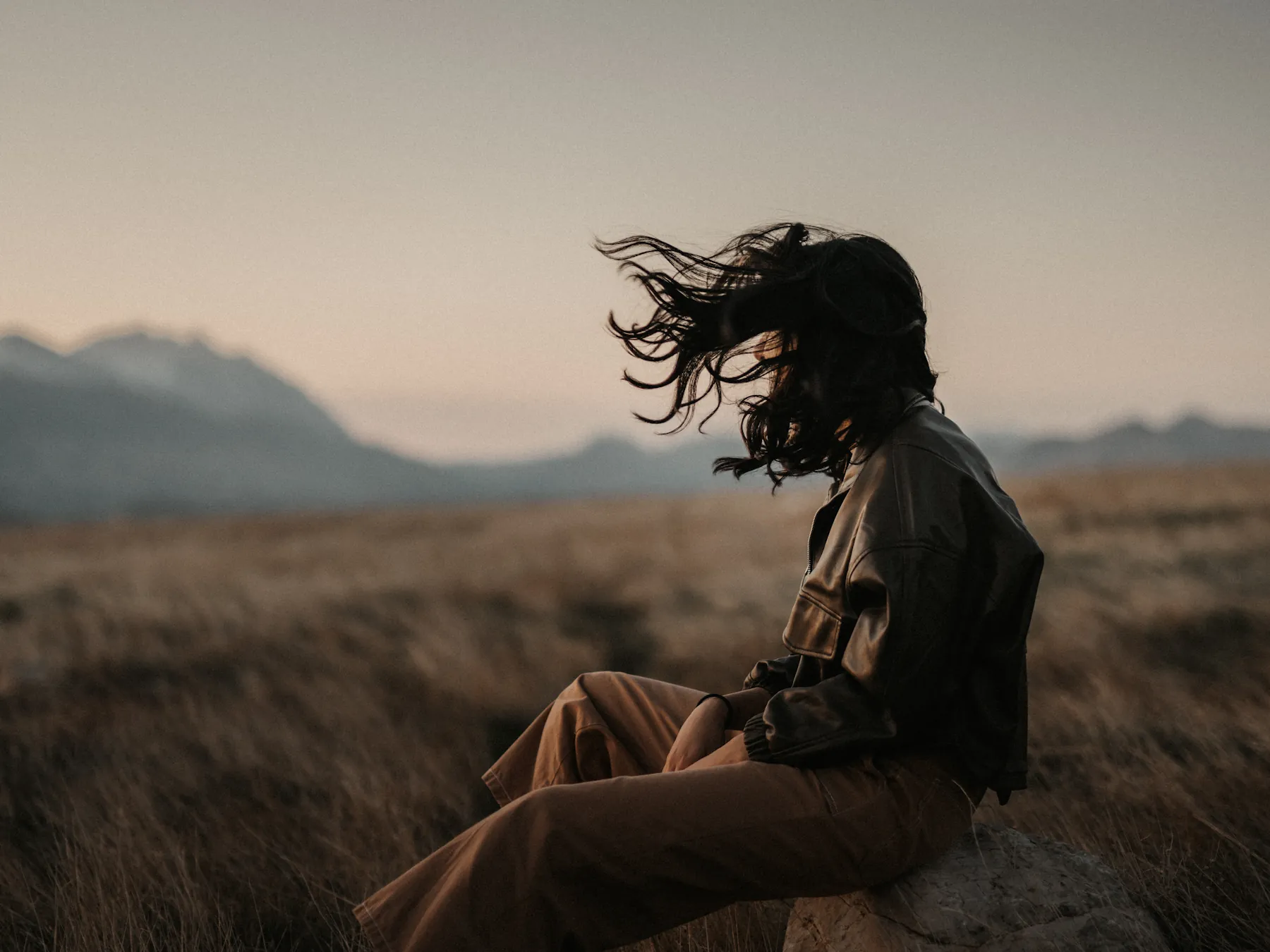
It’s always a bit different when you’re working on a project for a friend. Recently, I had the chance to photograph the new collection for a good friend who’s just starting her own clothing line. There’s a certain energy that comes with helping someone you know bring their vision to life. We spent a day out in the open, letting the landscape and the light play a part in showing off her work.
For her line, we both agreed that a very natural, almost unpolished look would be best. She designs clothes that are meant to be lived in, comfortable, and easy. So, instead of stiff poses or a typical studio setup, we focused on capturing a feeling. We wanted the images to show how the clothes move and feel in a real setting, letting the mood of the moment tell more of the story than anything too perfectly arranged or overly posed.
The day of the shoot was a bit windy, which actually turned out to be perfect. The movement it created, especially with the fabrics and hair, added a sense of freedom and spontaneity to the photos. We worked with the changing light towards the end of the day, and it really helped create that soft, atmospheric feel we were hoping for. It was less about directing every detail and more about finding those genuine moments as they unfolded.
This kind of shoot is a great reminder for me that often the most compelling images are the ones that feel authentic and relatable. It’s not just about showing a product; it’s about conveying a spirit or an attitude. I’m really happy with how the photos turned out, and I believe they truly reflect what my friend’s brand is all about.
-
Ayaro horizon line
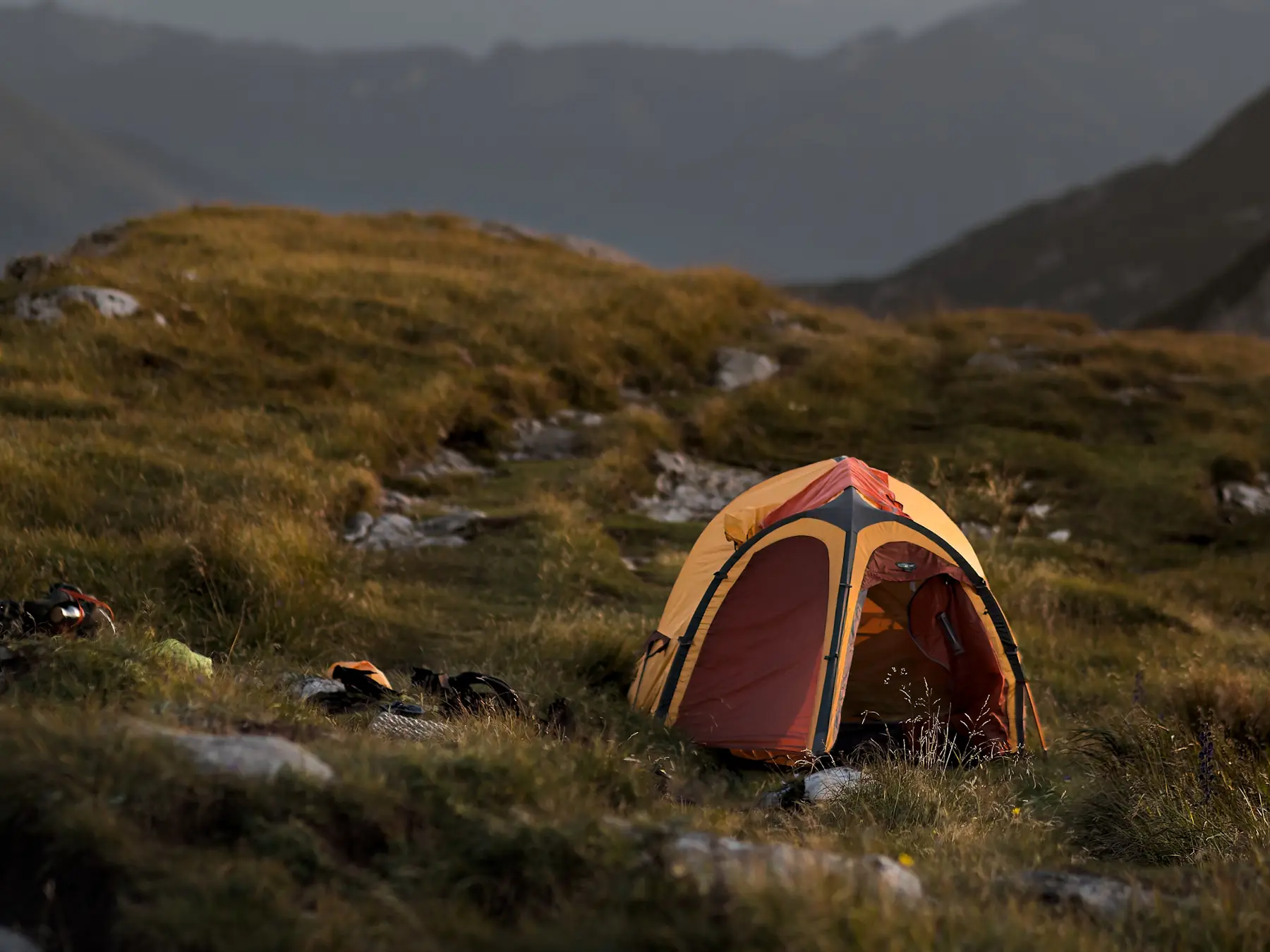
I find real satisfaction in helping a brand show what it’s about, especially when it lines up with what people are trying to do. So, I’m pleased to give you a first look at the art direction for Ayaro’s new campaign, called “Horizon Line.” For me, this campaign is about that feeling that pulls you toward something you can’t quite make out, just at the edge of what you can see. It’s about those quiet moments before you set off on an adventure, and that wide-open feeling when you look out at a new view. Ayaro is made to back you up on this kind of journey.
The “Horizon Line” idea started with Ayaro’s goal: to help people get out and explore, and to feel a real connection with nature. We wanted the pictures to feel personal but also big, like a single person’s journey happening in a huge, open space. The photos are meant to show more than just travel or a sport. They show how we change inside when we head out. You get a sense of clearness, of new chances, of really being in the moment. Ayaro isn’t just gear; it’s like a friend on these kinds of trips.
When we planned the look, we wanted to show both quiet thought and the hard work of a climb. One photo might pull you into a calm campsite in the early morning, a base for the day. Another puts you right on a sharp mountain ridge, moving toward that line where the sky meets the earth. This contrast shows what Ayaro is about: solid and reliable, but always nudging you to take that next step, to see what’s just out of sight.
“Horizon Line” connects with that wish we all have to see what’s over the next hill, to find new views, both in the world and in our own heads. My aim with the art direction was to tell a visual story that feels both real and inspiring. It shows the quality and the heart of Ayaro. I hope it makes you want to have an adventure and see new things as you look toward your own horizons. I look forward to sharing more when the full campaign launches.


